Reading Harry Potter Actually Makes You a Better Person
One of the best means to fix for the AP Literature exam is to acquire about different literary devices and how you tin use them to analyze everything from verse to novels. Non only will this help you on the multiple choice section of the test, it's critical for earning perfect scores on your essays, too! Today, we're going to take a closer look at 1 specific device: point of view. First, we'll give you the point of view definition, and so we'll explicate how the work'southward narrator affects its signal of view. So nosotros'll explain the 4 types of bespeak of view and provide examples and analysis for each one. By the finish of this commodity, y'all'll be a betoken of view expert! And so let'south get started. In literature and poetry, point of view is defined as the perspective from which a story is told. Put another mode, a story's point of view is a way to clear and analyze the position of the narrator in relation to the story they're telling. Is the narrator a participant in the story they're telling? Or are they describing events that happened to someone else? Both of these perspectives are unlike types of point of view (which we'll talk about in a lot more than depth later in this article, so hang tight)! So how do you figure out the point of view in a text? In order to notice the betoken of view of a story, you beginning have to identify whose perspective the story is told from. That'due south considering the perspective of the story determines a piece of literature's point of view! That ways that in club to establish a text's point of view, you have to figure out the narrator of the text first. Okay...so obviously figuring out the narrator of a piece of literature is of import. Just what's a narrator, exactly? No thing what type of text you're reading—whether it'due south a newspaper article, a textbook, a poem, or a best-selling novel—someone is communicating the story to the reader. In literary terms, we phone call that someone the text's narrator. In other words, the narrator of a slice of literature is the person telling the story. And you know what's even more helpful than that? Almost all written texts—whether they're fiction, not-fiction, verse, or otherwise—have a narrator. And since a narrator and point of view get mitt in manus, that ways that almost all texts take a point of view, too! So how do you effigy out the narrator of a text? Sometimes the narrator of a text is pretty easy to determine. For example, for a newspaper article, the narrator of the story is obviously the reporter who's written the piece to report the facts. They're the person who followed the story's trail, and now they're sharing the story with you! Another good case of an "easy to notice" comes from Herman Melville's Moby Dick . The very starting time sentence of the book reads, "Call me Ishmael." Because that's a line in the text rather than a piece of dialogue that uses quotation marks, you know it'southward the narrator speaking to the audience. In other words, the narrator of Moby Dick identifies himself and tells you his proper noun in the very first line of the book! But figuring out the narrator of the text isn't always that easy. For example, the Harry Potter books by J.K Rowling don't accept an easily identifiable narrator. Neither practise some archetype works, like The Giver past Lois Lowry or Pride and Prejudice by Jane Austen. What exercise you practice in those situations? Well, just hang tight: nosotros'll walk you through how bespeak of view tin can help yous effigy out the narrator in these catchy situations! Earlier nosotros beginning really digging into point of view, information technology's worth pausing a minute to talk about the differences between bespeak of view and narration. Because narration and point of view are closely linked, it's tempting to remember of them as interchangeable terms. But the narrator of a text and the betoken of view of a text are two different things. The narrator is who is telling the story. In contrast, a text's point of view is the perspective the story is being told from. If you recollect of the narrator every bit a person, their point of view is the angle they're taking on the story. Think of it this way: in literature, point of view and narrators go together like...well, like thunder and lightning. You can't have one without the other, just they're definitely non the same thing. Okay, let'south look more closely at the four different types of point of view found in literature. In the post-obit sections, nosotros'll explain each blazon of bespeak of view, give you lot tips for figuring out if something is written in that perspective, and and then walk y'all through a real-life example of that bespeak of view in literature. In beginning person betoken of view, you run into the story through the narrator'due south eyes In kickoff person point of view, the story is told from the narrator's perspective. This allows the narrator to give readers their beginning-hand experience, including what they saw, felt, thought, heard, said, and did. Think of it kind of like The Blair Witch Project : in first person point of view, it'south like the narrator is wearing a GoPro photographic camera strapped to their forehead. The reader sees exactly what the narrator sees and gets their singular perspective on the events that unfold. In other words, a first person point of view makes the narrator the bystander to the plot of the story. Using a first person signal of view allows an writer to dive much more securely into the narrator'southward character, since the reader gets to hear the narrator's inner thoughts and experience the narrator'southward emotions. Additionally, it makes the narrator the primary character, or protagonist, of the story. If something is written in start person, it's a pretty large indicator that the narrator is going to play a pivotal role in communicating the text'due south messages or themes. Only there are also some pretty major limitations to a start person point of view, too. Just similar real life, readers won't be able to go the thoughts and feelings of other characters in the novel. Also, the narrator'due south observations might be skewed depending on how they experience about other people. Because of that, kickoff person narrators can exist unreliable, meaning that their perspective skews the accuracy of the story they're telling. That means it's up to the reader to decide whether they believe the narrator is being truthful or not. In many means, a starting time person point of view is 1 of the easiest to pick out because information technology uses first person pronoun s, like I, we, me, my, our, and u.s.a.. If the book is written using these terms, and then y'all can pretty much guarantee that the author is using first person! Go on in mind that not all first person narrators are the volume'southward main character, fiftyike Moby Dick's Ishmael or The Hunger Games' Katniss Everdeen. That'southward because kickoff person narrators aren't ever the main characters in the work. Take, for instance, the Sherlock Holmes stories, where Dr. John Watson is the narrator. While he'south an important grapheme in the story, he's definitely not the main character--Sherlock Holmes is! Additionally, sometimes first person narrators are anonymous, like tertiary person narrators often are. (Don't worry: we'll get into third person narration in just a minute.) That's why it's best to look for pronouns when trying to figure out a piece of work's signal of view! If y'all're trying to notice the narrator's proper noun, it might non always be there. A skillful example of this is Shakespeare's "Sonnet 130," where the narrator is describing the woman he loves. The narrator of the verse form is never named, but considering he uses pronouns similar "I" and "my," y'all know it'south written in offset person. Many of Shakespeare'due south sonnets are written in first person, and "Sonnet 29" is no different. Let's await at the full poem and see why it qualifies as beingness written in beginning person: When, in disgrace with fortune and men's optics, I all alone beweep my outcast state, Think, nosotros can tell that something'southward written in offset person if it uses first person pronouns outside of dialogue. Since in that location'south no dialogue in this poem at all, we can await at the entire text to observe show of the first person point of view. Notice that the narrator (or speaker, as the narrator is oft referred to in poetry) uses words like "I," "me," and "myself" throughout the poem. This is a clear indicator that this poem is written in a first person point of view! Actually, "Sonnet 29" is a good example of something written in first person where the narrator isn't named. Just we can still learn quite a bit about them through the poem itself! For example, we acquire that he's an outcast (line 2) who is unhappy with his current status (line iv). Despite his all-encompassing misery (line 9), when he thinks upon his beloved, his spirits are lifted (lines 10, eleven, and 12). Equally we start piecing the evidence together, we begin to go a clearer motion-picture show of who the narrator of the poem is, and the power love has to lift us out of even the bleakest circumstance. Other Works Written in Offset Person Point of View Beginning person is a actually popular writing technique, then it's no surprise that there are tons of books written in this point of view! Here are a few other poems, books, and volume series that you lot might be familiar with that use offset person point of view: Second person point of view uses pronouns similar "yous" and "your" to tell the story. In second person betoken of view, the story is told from the perspective of another graphic symbol. Sometimes this character is another person in the volume, but information technology can as well be the reader themselves! More than importantly, when a writer uses second person, they want readers to connect emotionally with the topic they're writing almost! Hither's an example of what we mean. Say you're reading an article about the amount of plastic pollution in the sea. If the writer wants to pull on your heartstrings and make you lot have the issue they're writing virtually seriously, they might apply a second person point of view and write something like this: "Imagine you're on the vacation of your dreams sailing across the Caribbean. You can't wait to get out into the open water, where everything will exist calm, peaceful, and gorgeous. You accept a nap as the captain sets sail, and when you return to the deck, you're shocked by what yous see. Instead of a vast area of sparkling blue water, you see a huge, bobbing mound of trash. Fast food containers, plastic bags, and discarded water bottles bob along the surface every bit far every bit y'all can see. Information technology looks like you're sailing through a garbage dump, and y'all feel equal parts cloy and despair." Using the second person point of view in a passage puts the reader into the story—in this case, it's a story about pollution. 2d person makes the reader feel like they're making every move...from the joy of going on vacation, to the daze of seeing so much plastic in the h2o, to the "disgust and despair" of realizing what pollution is doing to the sea. Suddenly, the reader becomes more than invested in what the author has to say about the problem, since the second person point of view makes them feel like they've experienced it first-mitt! While it'due south very rare to find a text that's written completely in 2d person, many authors will switch to this perspective when they want readers to feel connected to the topic they're writing most. Like starting time person point of view, information technology's pretty easy to spot the 2d person point of view...when you lot know what you're looking for, that is. When something is written in second person, the author uses 2d person pronouns (like "you," "yourself," and "your") in the text that falls outside of dialogue, too. Like we just mentioned, information technology's pretty rare to find a whole text that's written this mode. More than likely, yous'll find a few paragraphs written in second person, rather than an entire work. The i exception to this rule is the classic Choose Your Own Adventure book ! You lot probably recollect these from when you were a kid: each book had a topic, and at the bottom of each folio, you were given decisions to make. Depending on what you lot chose, you'd flip to a different page in the book, and your decisions would affect the story! Jay McInerny uses 2d person to open up his book, Vivid Lights, Big City , which tells the story of life in the fast lane in 1980s New York. Let's look at the beginning paragraph to see the second person point of view in action: Y'all are not the kind of guy who would be at a place like this at this time of the morn. How did you get here? It was your friend Tad Allagash. Your brain is rushing with Brazilian marching powder. You are talking to a girl with a shaved caput. You desire to meet the kind of girl who isn't going to be here. Yous want to read the kind of fiction this isn't. You requite the girl some powder. She withal doesn't want y'all. Things were fine one time. Then yous got married. Notice that all the pronouns in this department are either "you" or "your," which is a articulate indicator that this is written in second person! It's also a proficient example of how using 2d person tin immediately pull someone into a narrative by making the reader and the principal character i in the same. In this case, McInerny is creating a whole backstory for your character—from giving you friends similar Tad to hinting at your dysfunctional matrimony. Second person is probably the rarest of the points of view. Usually writers volition utilize second person in sections of their piece of work to emphasize a point, rather than throughout their unabridged work. Here are some pieces of literature that use a second person bespeak of view (at least in part): In third person omniscient point of view, the narrator is god-similar and tells the reader everything! The third type of perspective y'all can observe in literature is a third person omniscient point of view. In third person omniscient, the narrator uses third person pronouns similar "he," "she," "they," and "their" to refer to all the characters in the work. Equally a effect, the narrator removes themselves as a critical grapheme in the work (unlike the narrators that utilize a first or 2d person point of view). Additionally, considering this is a tertiary person omniscient perspective, the narrator is given god-like qualities over the story. (Merriam-Webster defines an "omniscient" person as someone who has "universal or complete noesis"!) That means the narrator can dive into whatsoever grapheme's head and share their thoughts and emotions with the reader. Additionally, the narrator tin can move around in fourth dimension and place to show the reader events that the characters themselves may non be aware of! That includes jumping effectually from location to location, or fifty-fifty moving astern and forward in time. Using a tertiary person omniscient narrator lets an author show the reader the whole gameboard, and so to speak. There's no existent limit to what a narrator tin can bear witness the readers! Consequently, it allows the author to build a robust earth total of well-adult characters, since the author no longer has to debate with the unmarried-graphic symbol limits of a first or second person signal of view. It's also a particularly useful technique in works with large casts of characters, since the narrator can introduce the reader to each character more chop-chop—and with more detail—than other points of view would allow! The narrator of George Eliot's Victorian novel, Middlemarch, is an excellent example of how a third person omniscient narrator can give readers a comprehensive view of a text. Let'southward take a look at the book'due south opening paragraph to see this blazon of point of view in action: Miss Brooke had that kind of beauty which seems to be thrown into relief by poor dress. Her paw and wrist were so finely formed that she could wearable sleeves not less bare of fashion than those in which the Blessed Virgin appeared to Italian painters; and her contour as well as her stature and bearing seemed to gain the more dignity from her plain garments, which by the side of provincial way gave her the impressiveness of a fine quotation from the Bible,—or from 1 of our elder poets,—in a paragraph of to-24-hour interval'south newspaper. She was usually spoken of as beingness remarkably clever, but with the improver that her sis Celia had more common-sense. Nevertheless, Celia wore scarcely more trimmings; and it was only to close observers that her wearing apparel differed from her sister's, and had a shade of coquetry in its arrangements; for Miss Brooke'south plain dressing was due to mixed weather, in most of which her sister shared. The pride of being ladies had something to do with it: the Brooke connections, though not exactly aristocratic, were unquestionably "proficient:" if you inquired backward for a generation or ii, you would not notice whatever yard-measuring or package-tying forefathers—anything lower than an admiral or a clergyman; and at that place was even an ancestor discernible as a Puritan gentleman who served under Cromwell, but afterwards conformed, and managed to come out of all political troubles equally the proprietor of a respectable family estate. Immature women of such nativity, living in a tranquillity land-firm, and attending a village church inappreciably larger than a parlor, naturally regarded frippery equally the ambition of a huckster's daughter. Remember: all-seeing narrators are god-like in that they tin give you more information than a unmarried character could provide from their limited perspective. In this case, Eliot'southward omniscient narrator gives us tons of data nigh Miss Brooke. We know that she's beautiful only non financially well off ( the narrator calls this living in "mixed conditions"), which is reflected in her "obviously garments." Regardless, Miss Brooke is also "remarkably clever." Beyond that, the narrator tells united states of america almost Miss Brooke's family unit by looking into her past—which is easy given that the narrator is all-seeing! We learn that she and her sister, Celia, aren't aristocratic, but they come from a skillful family that includes admirals, clergymen, and politicians. This helps Eliot develop characters and situations apace, which is important in a book with a big cast of characters like Middlemarch. Third person omniscient is a common point of view, especially in longer texts. Here are some examples of other works that feature an omniscient point of view: In third person limited point of view, it's as if the narrator is standing backside one character'south shoulder. The last point of view an author can use is the tertiary person express betoken of view. Just similar the omniscient perspective we talked about earlier, texts written in a tertiary person limited bespeak of view use tertiary person pronouns to hash out characters outside of dialogue. The departure between the two is in how much information the narrator shares with the reader. With a tertiary person express perspective, the narrator is limited to giving y'all the perspective of a single character. The narrator tin can peek inside the graphic symbol'due south head to share their thoughts, feelings, and experiences, similar to a first person betoken of view. Unlike first person, even so, a narrator using a third person express bespeak of view can also zoom out to give readers a improve understanding of how the grapheme they're following fits into the text'south plot, setting, or situation! With a third person express point of view, on the other hand, information technology'southward like the narrator is standing behind one character and filming over his shoulder. Non only tin can y'all go a sense of what the graphic symbol is seeing, the narrator can as well step back a little bit to prove readers what'southward going on around the character...as long as the graphic symbol stays in the frame. 3rd person all-seeing is the most comprehensive view. It'southward every bit if the narrator is filming from the rafters of the edifice. They can zoom out to prove anybody for a global perspective, or they tin zoom in on dissimilar events to give you a ameliorate idea of what's happening in specific situations. And so why would a writer use a 3rd person express point of view? Well, it'south great for situations where knowing every unmarried detail of a story would spoil the plot. Mystery novels, for instance, ofttimes utilise third person limited point of view. Information technology allows the narrator to give y'all the detective's thoughts and feelings while non spoiling the whodunit! It also allows the writer to focus on developing a single character while giving readers a better view of what'southward going on around that grapheme. Hermione took out a list of subjects and titles she had decided to search while Ron strode off down a row of books and started pulling them off the shelves at random. Harry wandered over to the Restricted Section. He had been wondering for a while if Flamel wasn't somewhere in there. Unfortunately, you lot needed a especially signed note from ane of the teachers to look in any of the restricted books, and he knew he'd never become one. These were the books containing powerful Dark Magic never taught at Hogwarts, and only read past older students studying advanced Defense force Against the Nighttime Arts. It's clear that this passage is written in third person: the narrator uses pronouns like "he," "she," and "them," instead of first person pronouns like "I" or second person pronouns similar "you." But how do we know it's third person express? Well, nosotros get Harry's thoughts and feelings—like his curiosity about Nicholas Flamel—only no one else's. We don't know what Hermione and Ron are reading, or if they're excited, nervous, or scared. Rowling wrote all seven Harry Potter books using a third person express point of view that made Harry the focal point. The narrator tin tell us what Harry's thinking, feeling, and seeing—as well equally zoom out to tell us more than about the precarious situations he finds himself in. But because the narrator is tied to Harry, they can't requite united states a glimpse into other characters' minds, nor tin can it testify readers what's happening in other parts of Hogwarts (where Harry isn't). That helps readers get to know Harry, even as it helps Rowling maintain the mystery around the sorcerer's stone (or the bedchamber of secrets, or the half-blood prince, etc.). If you're studying for the AP Literature exam, you'll need to know about more than literary devices than point of view. Why non check out our other comprehensive guides, like this one on personification? The more familiar you are with literary terms, what they mean, and how to utilize them, the better your exam score will be! Did you lot know that in that location are two English AP tests? One is the literature test, which focuses on literary assay and comprehension. The 2d test is the language exam, which tests your ability to understand argument and write persuasively. Click here to learn more almost the AP Linguistic communication exam, how it differs from the literature exam, and what you need to do to knock it out of the park! Subsequently you learn the fundamentals, the best mode to prepare for an AP examination is to take practise tests. Cheque out this article on how to detect the best AP practice exams, and learn how to use them to boost your score!

Point of View: Definition and Significant
What Is a Narrator?

Finding the Narrator
Narrator vs. Bespeak of View: What'south the Deviation?
The 4 Types of Point of View

First Person Betoken of View
Tips for Identifying Starting time Person Point of View
Example of Offset Person Point of View: Shakespeare'south "Sonnet 29"
And trouble deaf heaven with my abortive cries,
And look upon myself and curse my fate,
Wishing me like to ane more rich in promise,
Featured like him, similar him with friends possessed,
Desiring this man's art and that human's telescopic,
With what I most enjoy contented to the lowest degree;
Yet in these thoughts myself nigh despising,
Haply I think on thee, and and then my state,
(Like to the distraction at break of twenty-four hour period arising
From sullen globe) sings hymns at heaven'south gate;
For thy sweet dearest remembered such wealth brings
That then I scorn to change my state with kings.

Second Person Indicate of View
Tips for Identifying Second Person Signal of View
Case of 2nd Person Point of View: Brilliant Lights, Big City by Jay McInerny
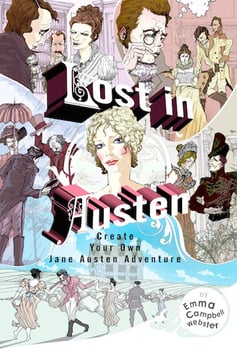
Other Works Written in Second Person Indicate of View

Third Person All-seeing Point of View
Example of Tertiary Person All-seeing Bespeak of View: Middlemarch past George Eliot
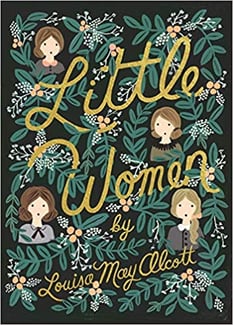
Other Works Written in Third Person Omniscient Point of View

Third Person Limited Point of View
Here's an easy way of agreement the departure between a first person, third person omniscient, and a tertiary person limited point of view. Retrieve of the narrator as a person holding a camera. You, as the reader, get to see everything the photographic camera sees. With start person indicate of view, it'southward like the character has had the camera implanted in their brain. Yous can come across whatever the grapheme looks at and nothing more.
Example of 3rd Person Limited Point of View: Harry Potter and the Sorcerer'south Stone by J.K. Rowling
Like we mentioned before, all texts have a point of view...which means that the Harry Potter stories do, too! Allow'due south look at a passage from Harry Potter and the Wizard's Rock to become a better idea of how a third person express indicate of view works. In this scene, Harry and his friends, Hermione and Ron, are looking through the library to larn more about the magician's stone: 
Other Works Written in Third Person Limited Signal of View
The 3rd person limited point of view is a popular perspective for writers to use, so there's no shortage of examples! Here are a few works you might be familiar with that characteristic a third person limited indicate of view:
What's Adjacent?

Ashley Sufflé Robinson has a Ph.D. in 19th Century English Literature. As a content writer for PrepScholar, Ashley is passionate near giving college-bound students the in-depth information they need to get into the school of their dreams.
Source: https://blog.prepscholar.com/point-of-view

Postar um comentário for "Reading Harry Potter Actually Makes You a Better Person"